As I write this we are about to experience the first day of astronomical spring, the Vernal Equinox. We had the first day of meteorological spring on 1st of March which will end on 31st May with the three month season allowing the scientists to compare long term climate records more easily. The year is broken into four fixed seasons providing a clear framework for analysing changes in temperature, rainfall and sunshine assisting long-term forecasting. Vernal Equinox is defined by the position of the Earth in relation to the Sun when day and night are roughly equal in length, marking a turning point in the year when daylight hours begin to increase more rapidly. The longer days and brighter mornings see the first signs of seasonal flowering and growth, for birds mating and nesting and when the sunny days do appear listen carefully, there is a buzzing of insects in the air.
St Edmunds Church here in Shipston has a much smaller churchyard that St John’s, Shirley and is now closed for burials, but it has two English Yew trees. This has brought back memories of the magnificent Yew which had to have the attention of a tree surgeon to retain its bole so that it could survive as a symbolic part of the SW corner of St John’s. I was reacquainted with the team of “Caring for God’s Acre” when they visited Shipston as part of a national survey they were undertaking about Yews and gave a talk and advice to St Ed.’s congregation about how to care for the trees.
Warwickshire Wildlife Trust have worked tirelessly to create the right environment to reintroduce the Hazel Dormice locally to Ryton Wood. A number have been released back into the woods, reducing the threat of extinction within the context of reduced UK biodiversity. There has also been active preparation for the return of beavers to the county following government approval for licensed releases.
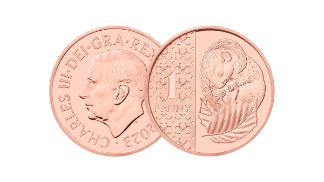
Awareness of threatened British wildlife has been highlighted with the release of new King Charles III coins featuring vulnerable species:
Hazel Dormouse (1p), Red squirrel (2p), Oak tree leaf (5p), Capercaille-woodland Grouse (10p), Puffin (20p), Atlantic Salmon (50p), Bees (£1), Flowers of the Nation Rose/Daffodil/ Thistle/Shamrock (£2)
I have just bought an uncirculated set of these coins for my new great grandson. In a presentation pack from the Royal Mint and minted in his birth year, 2025, he will have them as a baptismal gift later this spring. I believe he will be able , when he is my age, to look at them and remember how we used to purchase things with coins in our pockets. The bank notes too are about to change their illustrations from historical, figures to feature native British wildlife , ending a 50-year tradition. Already wildlife features on notes issued by the Royal Bank of Scotland (Mackerel, otters, red squirrels and osprey). Currently half of UK adults use mobile payments. This week King Charles III has opened the English section of the National Coastal Path to stretch the entire coast of the United Kingdom.
UK churches and churchyards are vital biodiversity hotspots, often acting as “green lungs” or sanctuaries for native wildlife, rare plants and ancient trees in both urban and rural landscapes. It is good to see St John’s is still featured on Caring for God’s Acre website, and as part of Churches Count on Nature 2026, CofE and CFGA are repeating the popular lunchtime webinar series on different aspects of land and nature.
Bernard 03/26